
Growth without systems multiplies the leaks.
Every business already runs on systems, whether they were designed or simply became habit. Growth Scale Capture™ makes those systems intentional: how work enters, where information lives, who owns each step, what each role requires, and which principles guide decisions. Software is the shared place that keeps the information easy to store, find, and use.
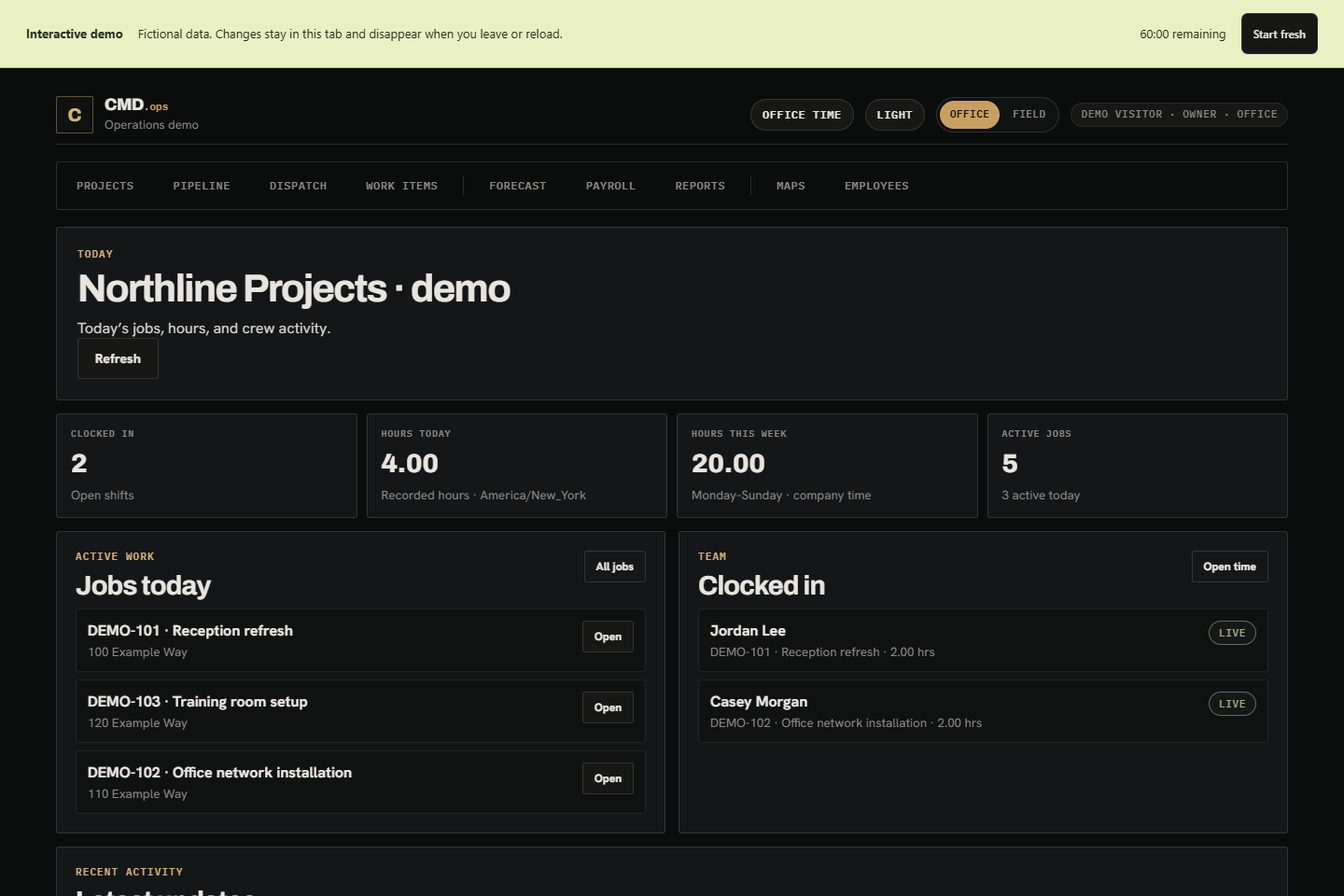 See the software layer ↗
The operating system
The practices come first. Software makes them easier to follow.
Growth Scale Capture™ becomes a practical operating playbook—part workflow map, part role definition, part company manifesto. It defines how work is taken in, how information is stored, who is responsible, what each step requires, and how the company makes decisions when the routine changes.

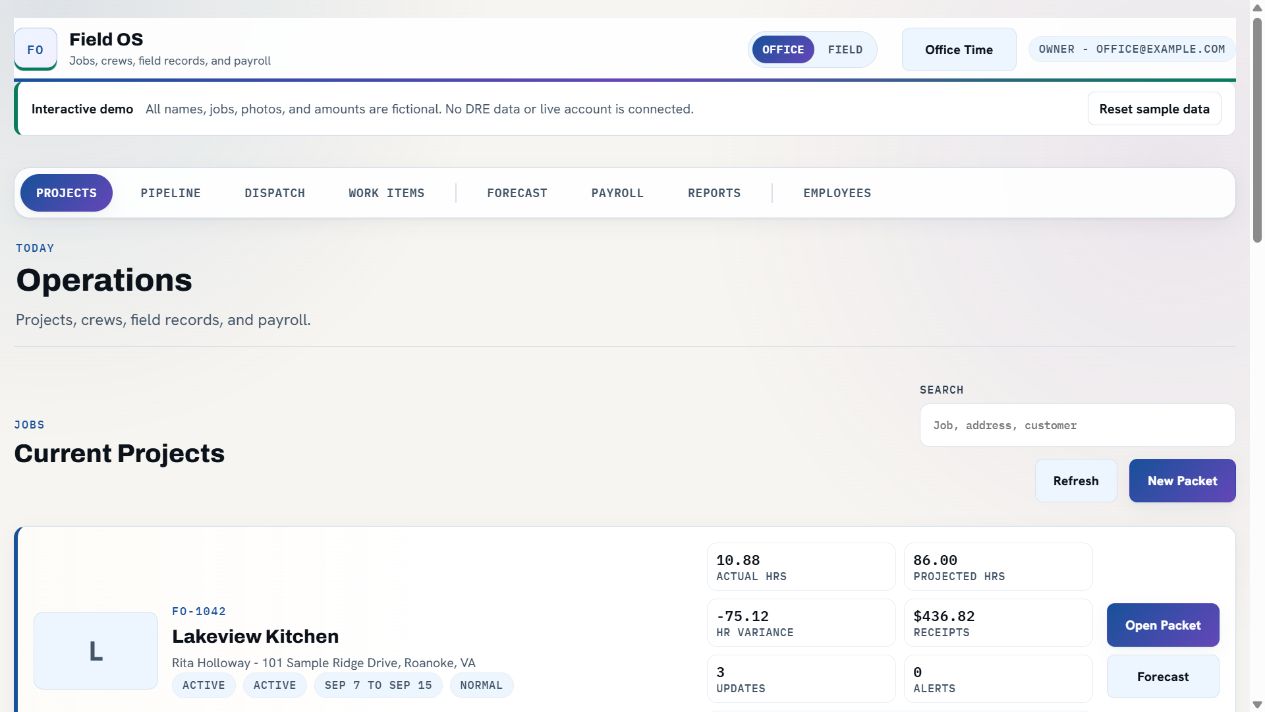
Software is the shared memory
One place to store it, find it, and use it.
The software layer makes the operating playbook practical every day. It keeps intake, job records, requirements, decisions, documents, and accountability together so the business does not have to reconstruct the truth from inboxes, paper, and memory.

Help the right customer take the right next step.
Open the site
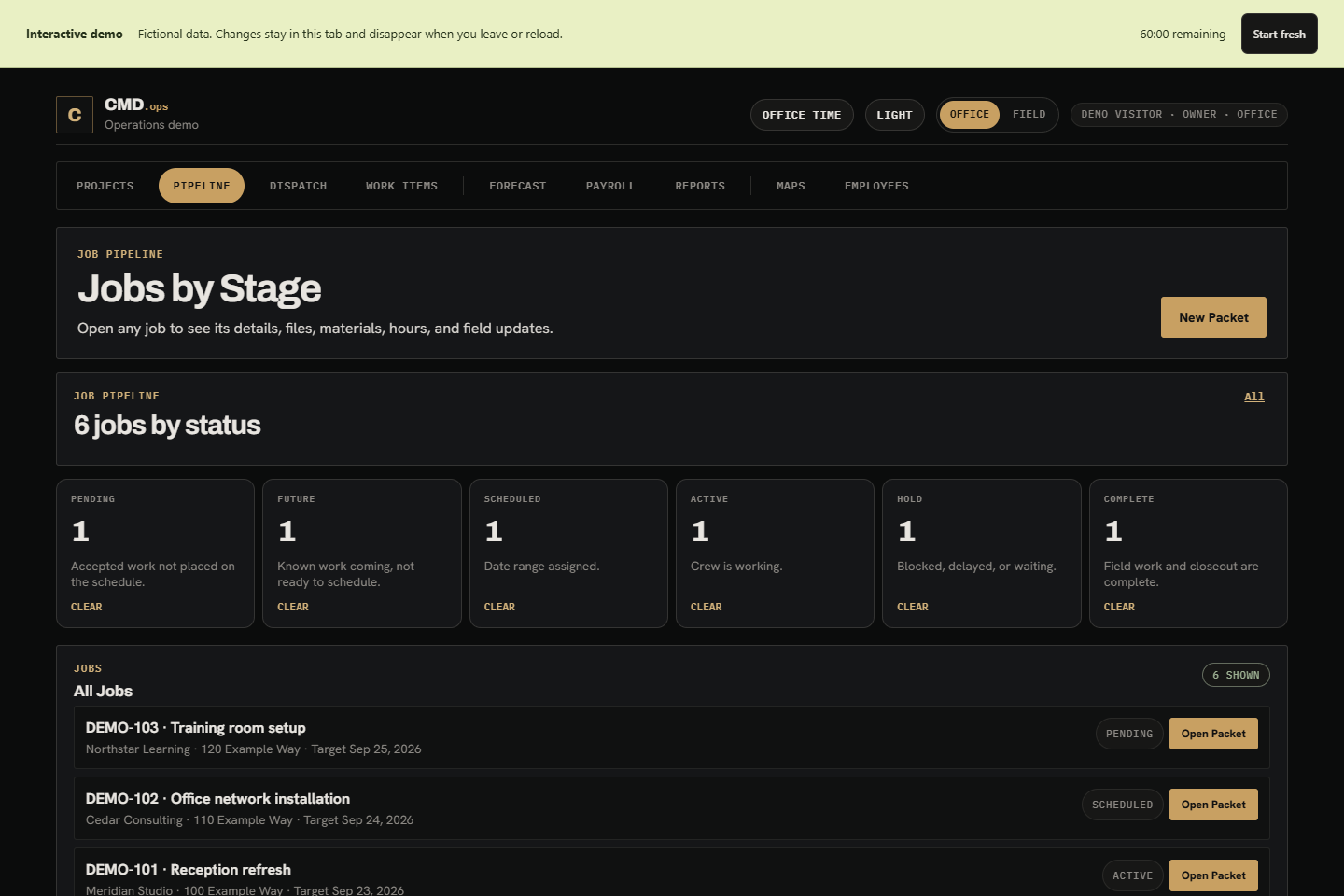
Keep the promise attached to the job.
Open CMD Ops
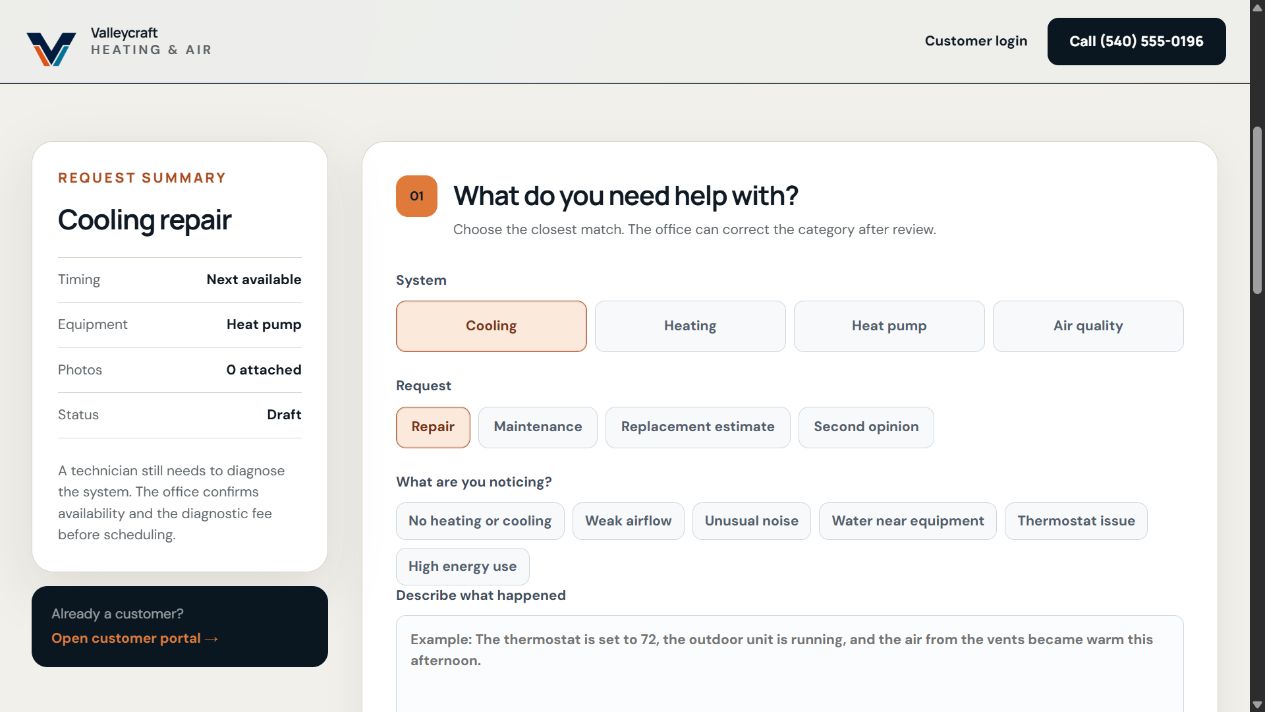
Collect the routine details before a person has to chase them.
Try the request
Put exceptions and decisions where the owner can see them.
Open CMD Ops
Growth Scale Capture™ is the operating playbook. The software supports it. If a tool already does its job well, keep it; build or connect only the piece that is missing.
The cost of inefficiency
Growth multiplies the leaks along with the revenue.
Operational inefficiency can consume 20–30% of annual revenue. As volume rises, every unclear requirement, duplicated entry, missing record, and owner-only decision repeats more often. Growth does not correct a weak system. It gives the weakness more chances to cost money.
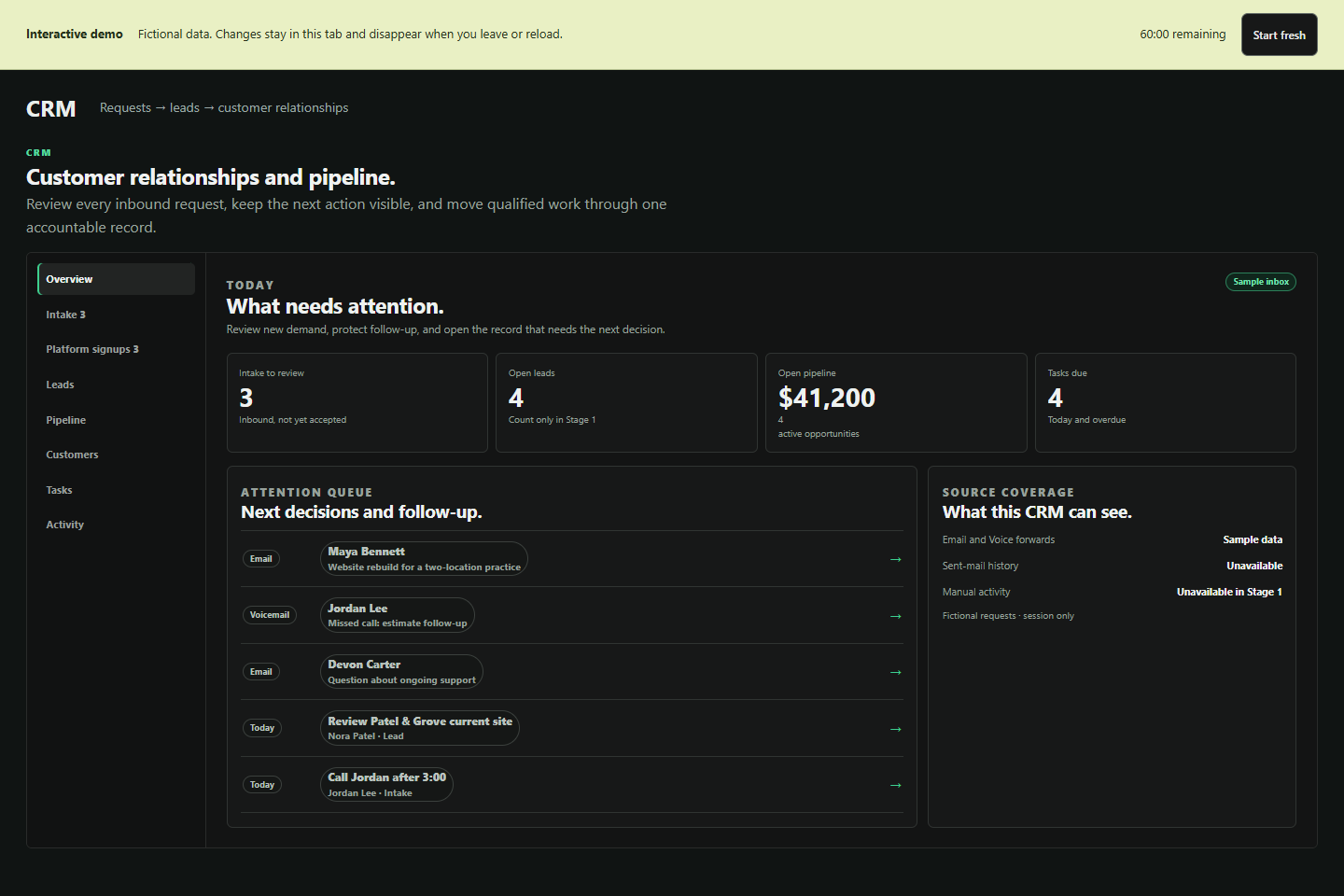
More leads create more chasing.
Missing details and scattered inquiries multiply as more opportunities enter the business.
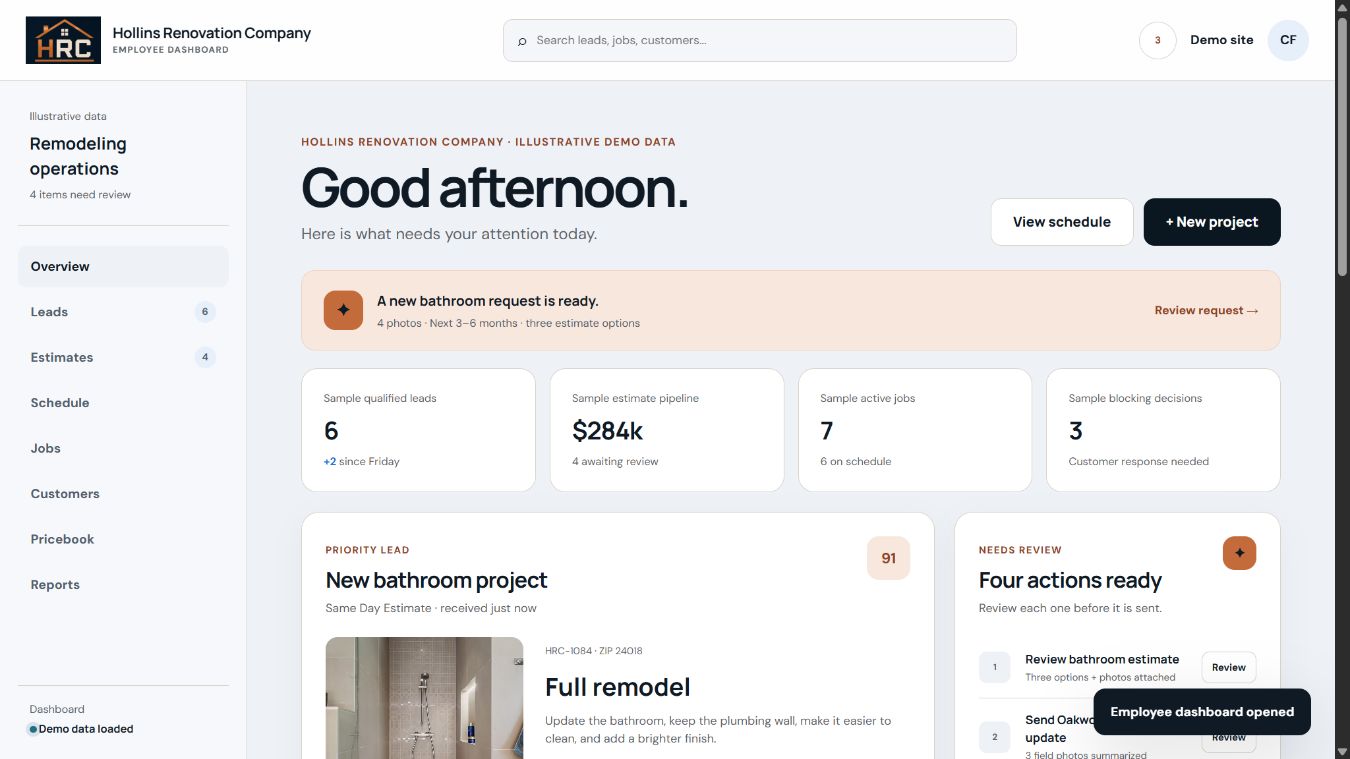
More jobs create more dropped details.
An unclear owner, requirement, or next step becomes a repeated failure at higher volume.
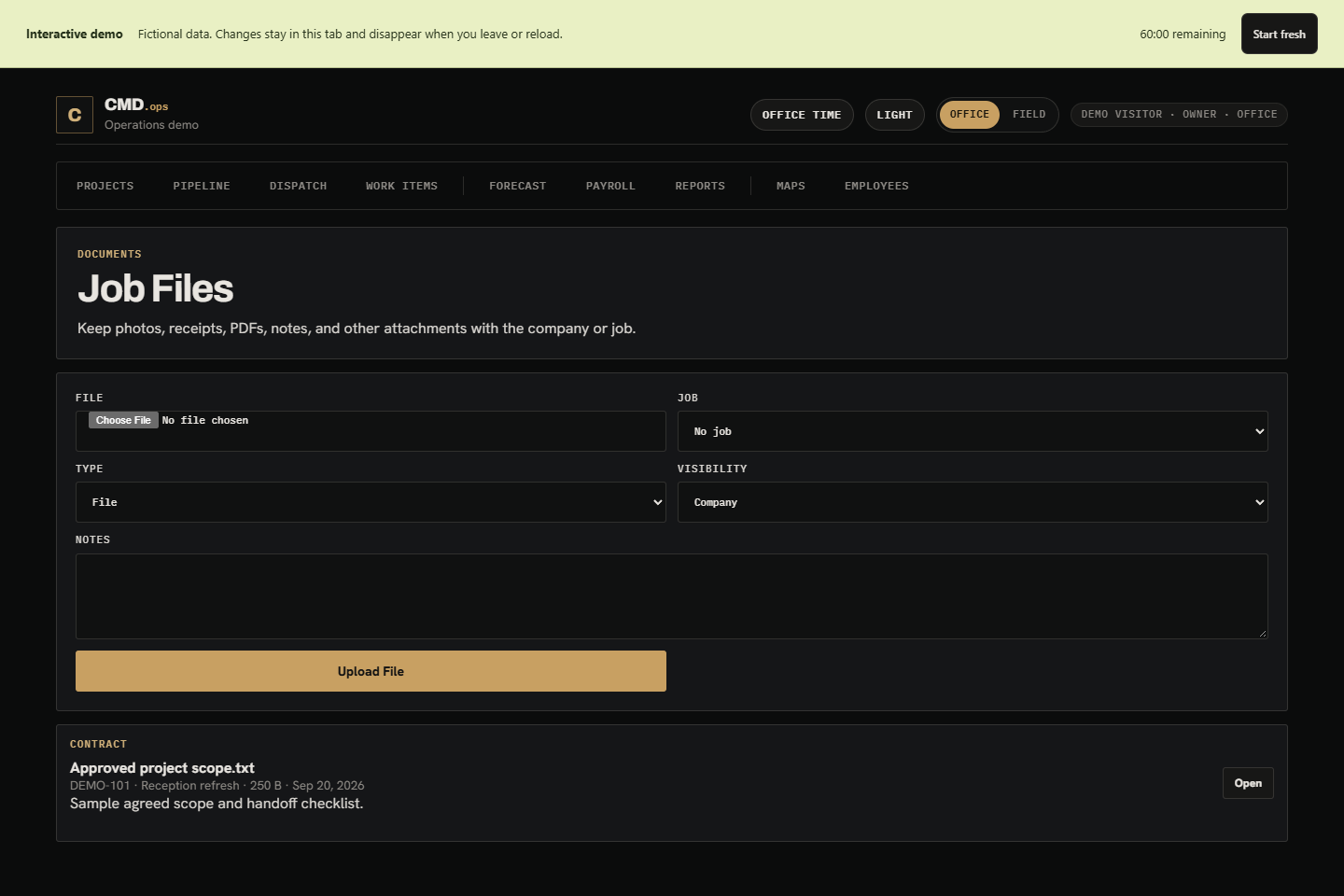
More work creates more time spent searching.
Photos, notes, time, files, and decisions become harder to retrieve when they do not stay with the job.
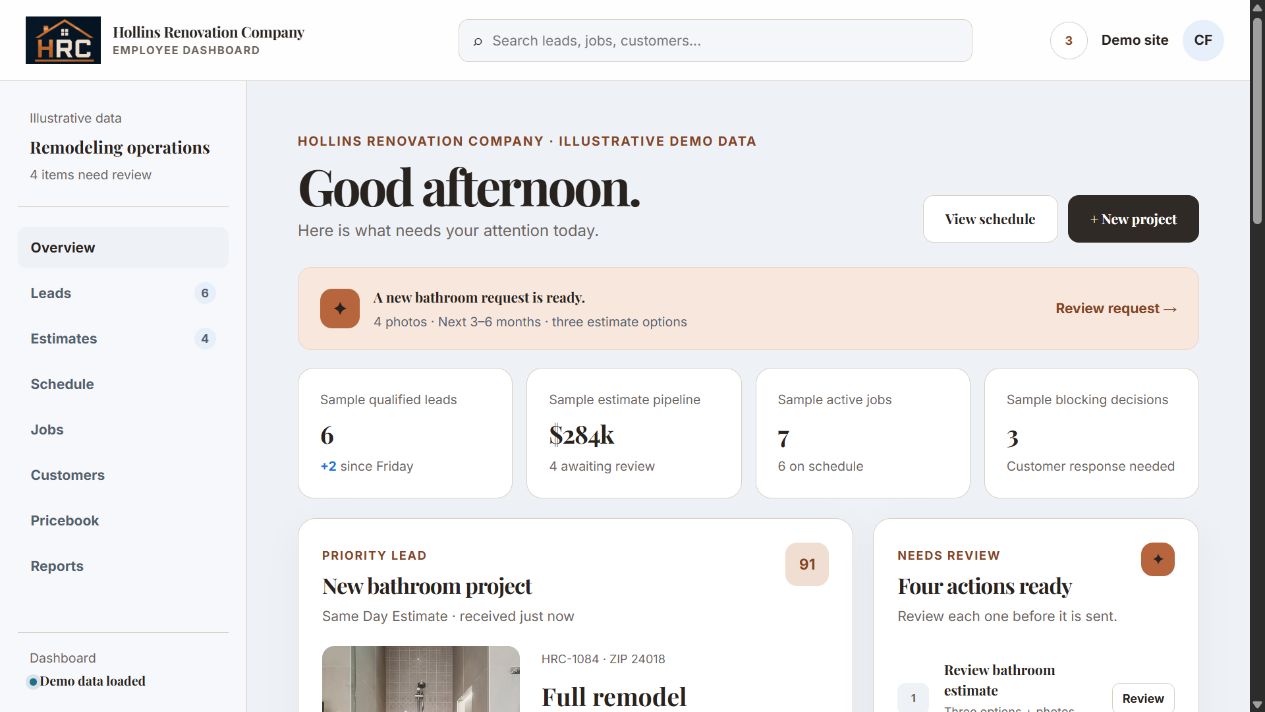
More activity puts more decisions in one person’s lap.
Growth stalls when the owner has to remember, approve, explain, and reconnect every part of the operation.
What strong systems create
Consistency without turning the company into a rulebook.
A useful system gives people enough structure to do good work without asking the owner to referee every decision. It protects the company’s standards while leaving room for judgment when the real world does not follow the script.
 See real work →
Clear intakeThe business receives the information it needs before someone has to chase it.
Ownership at every handoffPeople know what belongs to them, what done means, and who receives the work next.
One current recordThe team can retrieve the same job history, requirements, files, and decisions without rebuilding the story.
Principles people can useThe company’s standards and way of working remain visible when routine instructions are not enough.